The Institute for Complex Systems Simulation (ICSS), of the University of Southampton, has concluded its doctoral training centre (DTC), and pleasingly, has fulfilled its mission to recruit, develop and graduate research leaders and pioneers of complexity science. Our PhD graduates are field specialists, able to analyse, innovate and exploit complex systems models and methodologies. Moreover, the thesis outputs spanned almost the full range of academic research in the university, from the study of flamingo feeding patterns in Kenya and climate dynamics in the Arctic, to the fundamental understanding of mechanical properties in biological membranes and the potential uses of micromagnetics in data storage devices. All projects were complexity focused, addressing the emerging behaviour from complex systems, with a significant simulation or mathematical component. Many of our projects had very direct societal relevance, including human sexual behaviour, while others addressed more fundamental but important physical principles, such as non-equilibrium processes in dynamic systems.
These pages now chronicle the ten years of the successful ICSS DTC. They are full of case studies and profiles of our graduates, and they should give you a great insight into the running of a DTC in any research domain.
“The DTC was invaluable, it gave a good, well-rounded introduction to the tools I use throughout my work. However, almost more importantly, working with students from a wide variety of backgrounds, gave me valuable insight into working in collaborative, multi-disciplinary projects. Overall I feel that I entered academia with a great advantage in terms of both the quality of my PhD team, and with the level of training I had received." - Melissa Tomkins, Cohort One
The ICSS Beginnings
Launched in 2009, and led by Prof Seth Bullock, Prof Jonathan Essex and Prof Hans Fangohr, the £12m ICSS was a flagship doctoral training centre, a stimulating home for interdisciplinary research. The centre combines complex systems ideas and tools with computational methods to address challenges within application domains spanning climate, pharma, biosciences, nanoscience, medical and chemical systems, transport, the environment, engineering & computing. To this day, the ICSS remains a world-class simulation and modelling activity conducting ground-breaking research.
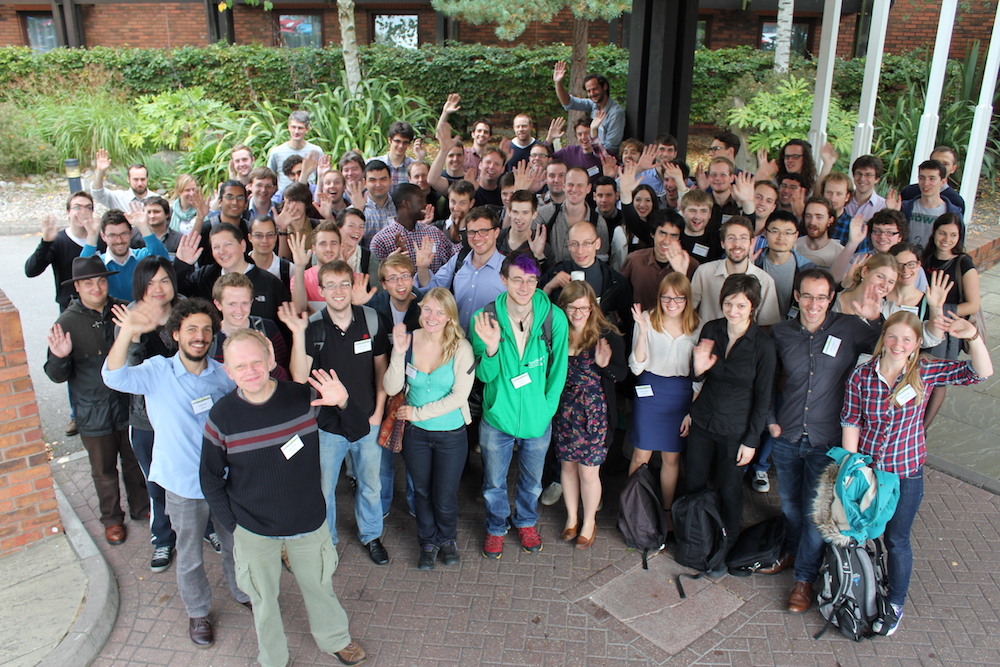
Revisit An ICSS Open Day (2012)
What is Complexity Science?
In contrast to the twentieth century's massive success in reductionist research programmes epitomised by atomic, genetic and molecular science, Complexity Science is an attempt to understand systems in which non-straightforward, aggregate, behaviour arises from the interactions between components.
Driven by novel theory, pressing real-world challenges and the opportunity to exploit an unprecedented availability of computational power, Complexity Science is a critical area of enquiry by industry, government and science itself. This century will see an increasing focus on systemic science and engineering, targeting physical, biological, environmental, social, and technological systems and their interactions, and addressing questions of system function, organisation, management, stability, resilience, and evolvability.
Partners
The Institute is a consortium of research groups from departments spanning the entire University; from Archaeology to Zoology. The ICSS also proudly partners with an active group of non-academic organisations. These partners range from major blue-chip multinationals such as BT, BAE, Unilever, Rolls Royce, NAG, IBM, Airbus, through government bodies, e.g., MoD and DfT, to growing SMEs with business models founded on complex systems simulation: e.g. NaturalMotion, who build physical simulations of biological motion for the entertainment industry, including the character animation for Grand Theft Auto IV.
“I think the next century will be the century of complexity”. — Stephen Hawking, January 2000
Four Pillars of Complex Systems Simulation Science
The ICSS's research addresses live challenges within a broad set of application domains and fundamental problems in complex systems theory. With target domains ranging from sub-atomic interactions to global processes, we engage with many of the themes identified as critical by UK Research Councils such as Digital Economy, Intelligent Infrastructure, Changing Environment, Nano-Engineering, Health.
The Institute's application domains relate in two ways. First, they share a common concern with understanding how high-level phenomena arise from low-level interactions. Second, each application domain relies increasingly upon sophisticated simulation modelling to interpret data, understand emergent phenomena, generate theory and hypotheses, direct experimentation, optimise design, and predict system behaviour. Although the Institute's research is subdivided here, there are many shared questions and synergies. Consequently, research activities cut across this organisation so that the Institute can tackle fundamental trans-disciplinary research in complex systems simulation.
The theory, tools, methodologies and conceptual frameworks fundamental to complex systems simulation are research topics in their own right. What constitutes complexity? How should systems complexity be measured and characterised? How can simulation methods best augment mathematical modelling? Learn More.
Physical systems exhibit emergent phenomena that combine scale, interconnectivity and non-linearity. The absence of "agency" and the "organic complexity" that is characteristic of social or biological systems allows for significant progress through the use of simulation approaches that are now mature enough to be predictive and deployed at large scales. Learn More.
Biological systems are an archetypal complex adaptive system: from molecules to ecosystems, biological systems exhibit properties and interactions that change over time (in non-arbitrary ways) as a result of development, self-repair, learning, ecological dynamics and evolution. Learn More.
How do sociological systems, which may be dynamic, large-scale, decentralised organisations in their own right, operate in conjunction with the social organisations that design, develop, deploy, and utilise them. Learn More.
Our Cohorts
Cohort One (2009)
Max Albert
Gabs Amine-Eddine
Jordi Arranz
Stuart Bartlett
Dmitri Chernyshenko
Adam Davies
Aleks Dubas
Elisabeth Erbach Schoenberg
Stuart George
Gwen Palmer
Sonya Ridden
Ben Samways
Ben Schumann
James Snowdon
Melissa Tomkins (nee Saeland)
Diego Virasoro
Sarah Ward
Angela Watkins
Millie Zedan
"I loved the experience and still think back to it regularly. Seth and Jason were amazing lecturers, always entertaining while bringing across useful learning. Their enthusiasm sure was infectious. They influenced my entire career and I love bringing the magic of simulation to wider audiences in their spirit." - Benjamin Schumann, Cohort One; Now a Simulation Consultant
Cohort Two (2010)
Ashley Booth
Ed Butler
Chris Cave-Ayland
Alicia Costalago Meruelo
James Heppell
Adam Jackson
Guy Jacobs
Paul Ryan
Joe Scutt Phillips
Maike Sonnewald
Iain Weaver
Robin Wilson
Davide Zilli
Sophie Marika Reed
"Though it has at time been some of the toughest time in my professional life, I'm not sure I could have asked for much more from a PhD programme" - Davide Zilli, Cohort Two; Senior Machine Learning Research Scientist at Mind Foundry
Cohort Three (2011)
Simon Alderton
Marijan Beg
Chris Cox
Chris Crispin
Bob De Caux
Miguel Gonzalez
Jason Hilton
Laurens Speelman
Nick Synes
Simon Tudge
Weiwei Wang
Jack Weatheritt
"The DTC was a fantastic way for me to develop my career, giving me exactly the technical skills I needed, as well as allowing me to build plenty of practical experience through conferences and workshops. Having spent some time now in industry trying to hire good data scientists, the mix of practical and technical skills that the DTC encouraged is very hard to come by, but exceptionally valuable" - Bob DeCox, Cohort Three; VP of AI and Robotic Process Automation
Cohort Four (2012)
Lewys Brace
Luke Davies
Alexandra Diem
Samantha Dobbie
Jonathan Gray
Ben Lowe
Chris Osowski
Lenka Pitonakova
Iza Romanowska
Matthew Spraggs
Valerio Vitale
Mark Vousden
"One of the best aspects about it was having an instant 20 new friends, which, especially when you have also moved to a new country to embark on your PhD, also proved incredibly beneficial. Christmas dinners, retreats and other social activities meant that it also did not take long to get to know the other cohorts" - Alex Diem, Cohort Four; Now a Postdoctoral Fellow
Cohort Five (2013)
Roxana Aldea
George Callender
David Cortes
Anastasia Eleftheriou
Andrew Lawson
Edwin Lizarazo
Frank Longford
Joe Reed
Sabin Roman
Massimo Stella
Aleksas Stuikys
"The scientific training and support I received from the DTC in Complex Systems Simulation, which allowed for me to achieve high-level professional training and have plenty of fun in complexity science!" - Massimo Stella, Cohort Five; complex data scientist and founder of Complex Science Consulting
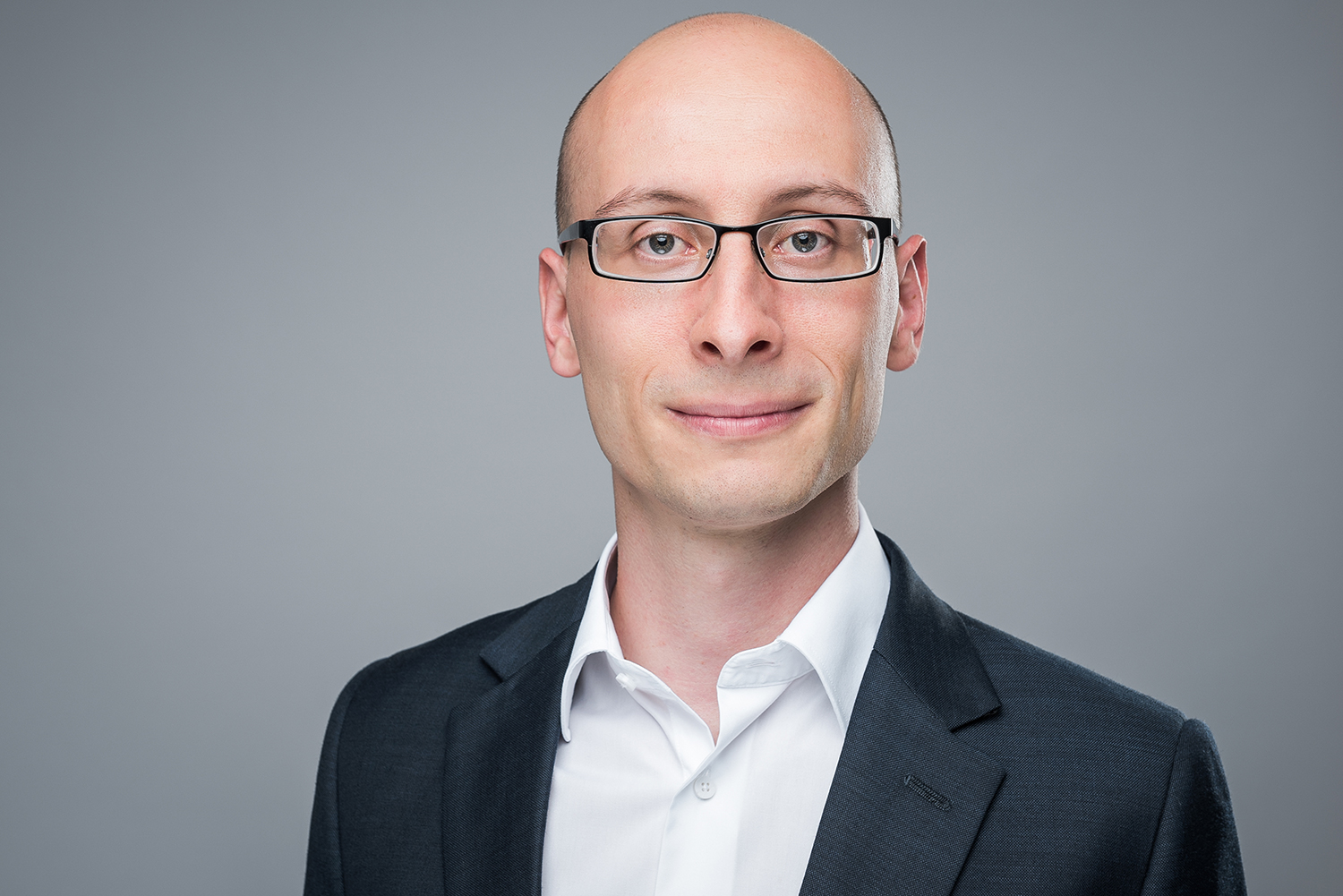
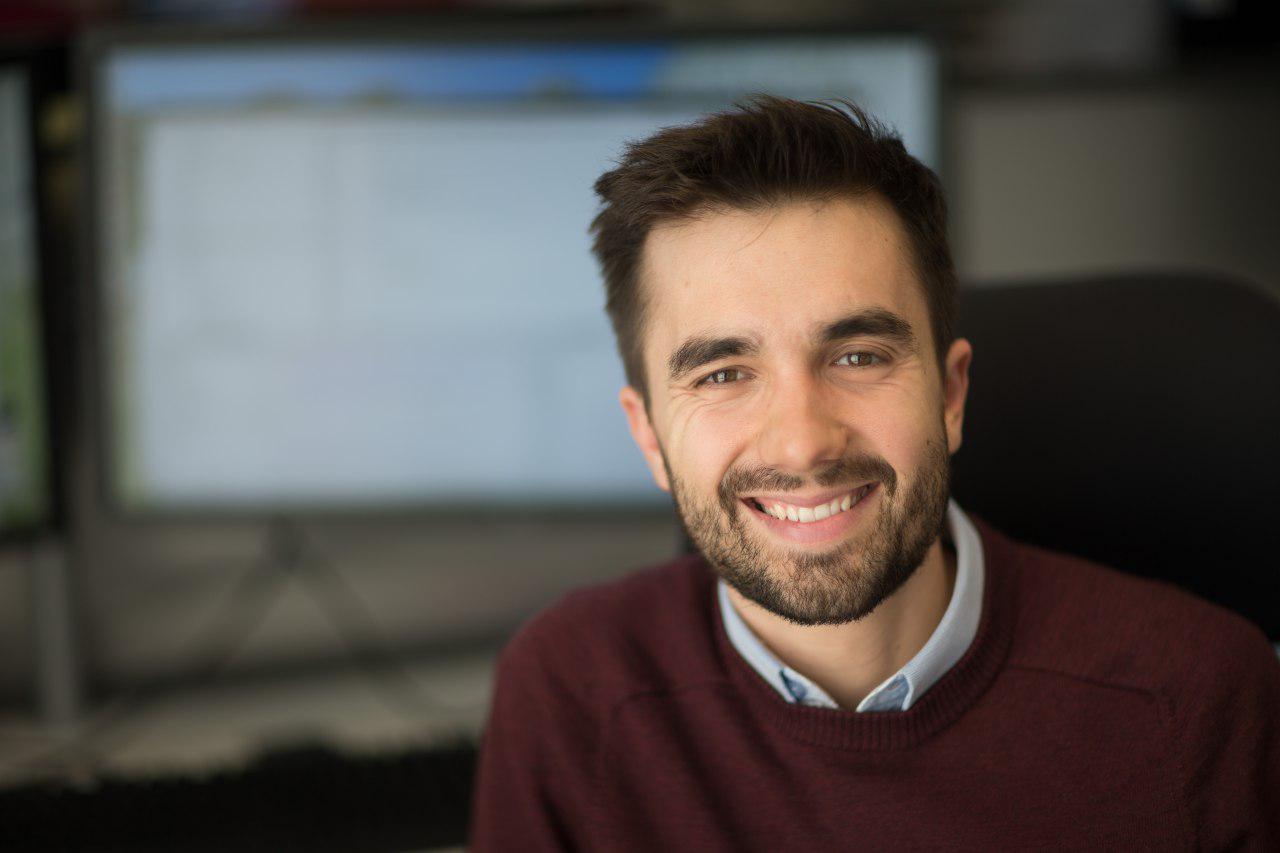
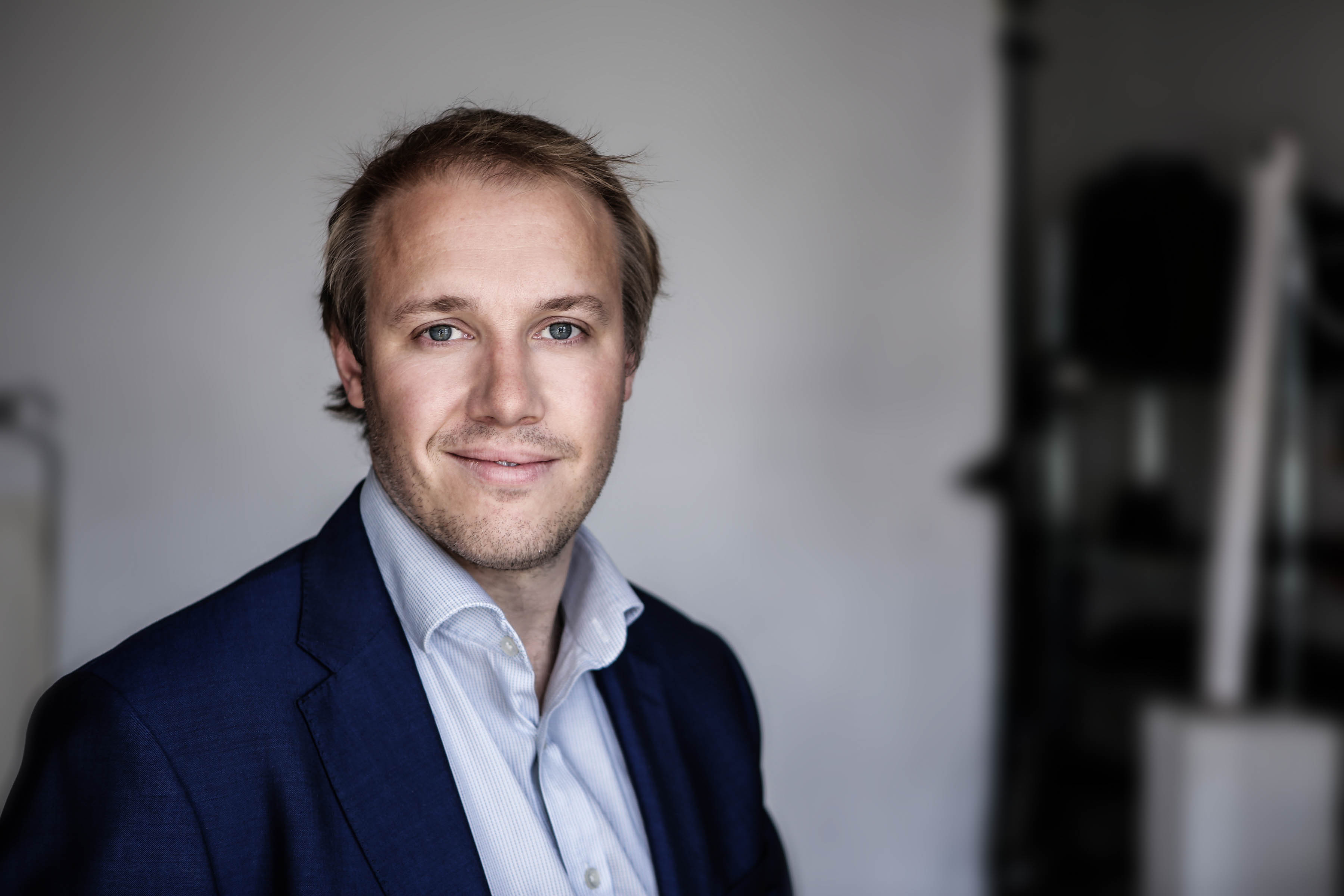
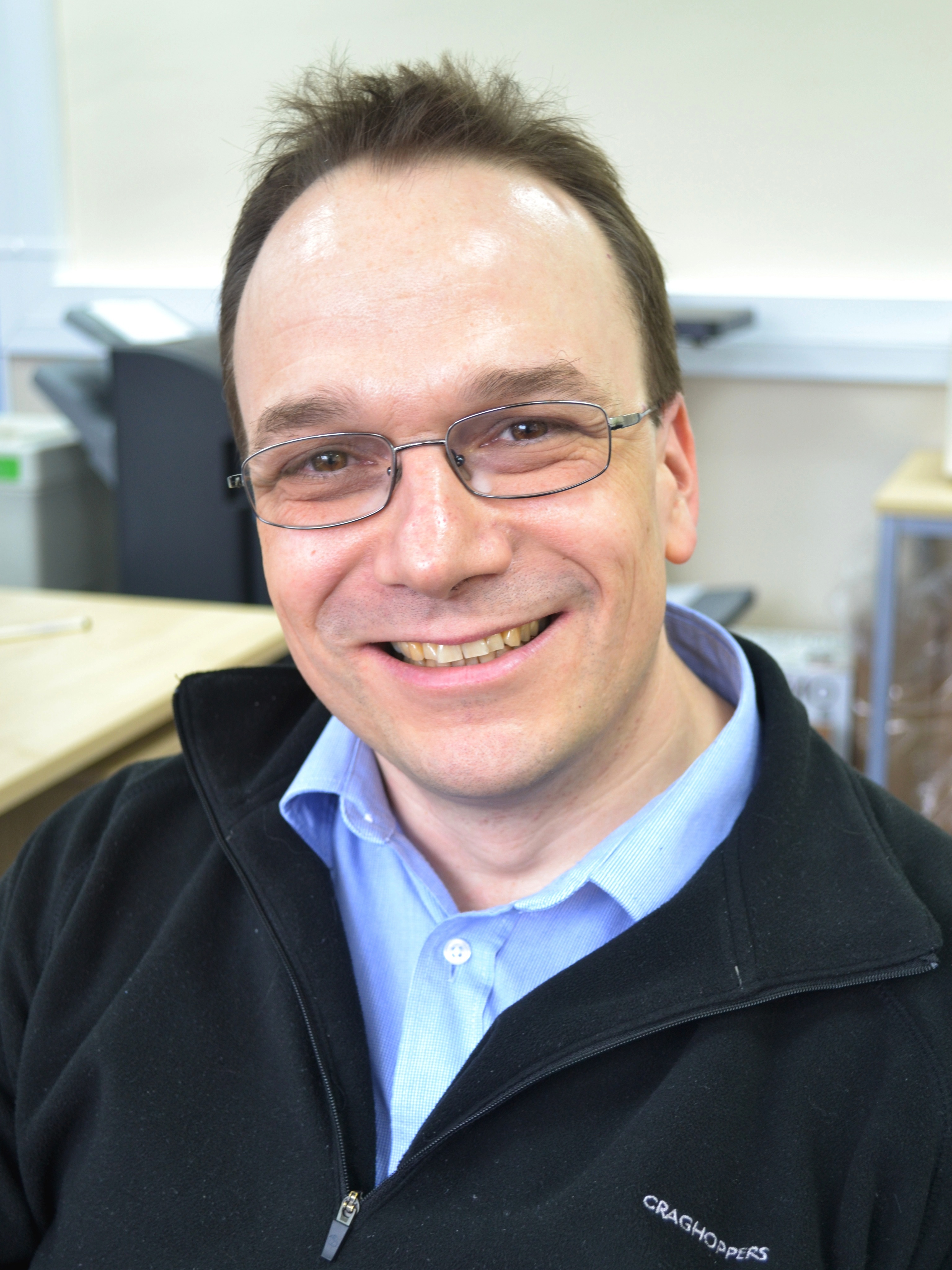
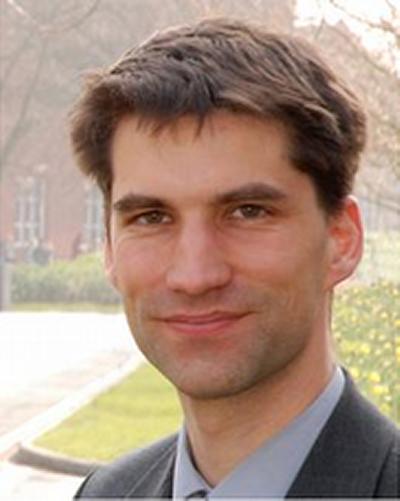
The DTC was founded, in 2009, by Professors Seth Bullock, Jonathan Essex and Hans Fangor.
Professor Seth Bullock.
Professor Jonathan Essex.
Professor Hans Fangor.
Contact
Whilst the DTC has come to a close, Professor Jonathon Essex would be happy to respond to matters relating to the vision and challenges behind such programmes.